
Verify Dating Profile Picture Before Meeting an Online Dating Match
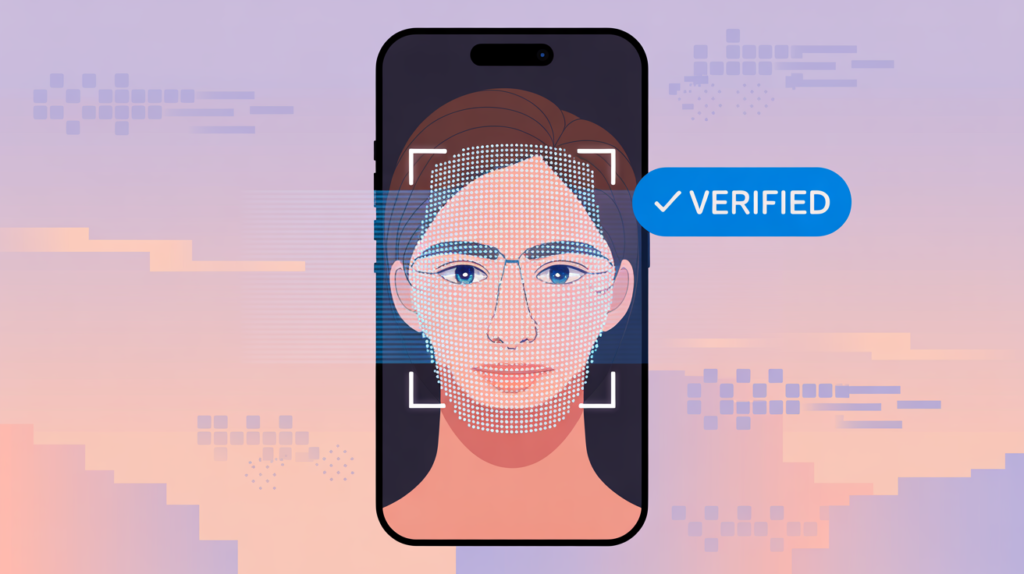
Online dating has changed how people meet potential partners. Dating apps allow users to connect with people from different places, exchange messages, and learn about each other’s interests before arranging a face-to-face meeting. While this can be an exciting way to build a relationship, online interactions can also create uncertainty. A profile may look convincing while still leaving questions about whether the photographs and information accurately represent the person.
A profile picture is often the first visual detail that attracts attention. It can help you recognize a potential match, but a photograph alone cannot establish someone’s identity. Images can be old, edited, reused, or copied from publicly available accounts. Taking a few reasonable steps to verify dating profile picture information can therefore help you approach an upcoming meeting with greater awareness.
Face2social can provide an image-focused way to explore potential public social media profiles through profile photographs. It should be used as a discovery resource rather than as definitive identity verification. Combining image research with careful communication and sensible dating safety practices can give you more context before meeting someone offline.
Start With the Dating Profile
Before focusing on the photograph, review the complete dating profile.
Read the person’s biography and consider the information they have shared about their interests, hobbies, occupation, general location, and lifestyle. A profile with several consistent details can give you a better understanding of the person than a photograph alone.
There is no reason to expect every detail to match information found elsewhere. People may use different usernames, maintain separate accounts, or have outdated information on older profiles.
Instead, look for significant contradictions that may deserve a conversation before you arrange a meeting.
Select a Clear Profile Image
A good starting point for image-based research is a clear photograph.
If you want to verify dating profile picture information, choose an image where the person’s face is reasonably visible. A natural photograph with good lighting is generally more useful than a blurry, distant, or heavily filtered picture.
If the profile contains several photographs, consider using one that shows the face without sunglasses, masks, extreme angles, or other obstructions.
A clear image does not guarantee a useful result, but it can provide a stronger starting point for visual exploration.
Understand What Image Research Can Tell You
A photograph can sometimes provide information that a name or username cannot.
People frequently use nicknames or different usernames across dating applications and social networks. An image may provide another way to explore potential public profiles.
For example, you may discover that the same photograph appears on another social platform. This could simply mean that the person uses the same profile image in multiple places.
In other cases, an image may appear alongside information that seems inconsistent with the dating profile.
Such findings can provide questions to consider, but they should not automatically be treated as proof that someone is dishonest.
Explore Potential Social Profiles With Face2social
Face2social offers an image-focused approach for exploring potential social media profiles through profile photographs.
You can start with an appropriate dating profile image and use it to explore possible public social connections. If potential profiles appear, compare the available photographs and review only information that is publicly visible.
You may find additional photographs that look generally consistent with the dating profile. You might also find similar profile images connected with different usernames or account information.
These results can provide useful context before a first meeting, but Face2social should not be treated as a guaranteed method for confirming identity.
Image-based discovery can help you investigate potential connections, while the final decision should also consider conversations, behavior, and other reasonable information.
Compare Several Photographs
One photograph rarely provides enough context to understand an online identity.
People naturally appear different depending on lighting, camera angle, hairstyle, facial hair, makeup, clothing, expression, and age.
If multiple public photographs are available, compare them for general consistency rather than expecting exact matches.
Look for recurring facial characteristics and overall appearance.
At the same time, remember that unrelated individuals can sometimes look similar. A visual resemblance is therefore only one potential clue and should not be considered conclusive evidence that two accounts belong to the same person.
Check Whether the Picture Is Reused
Many legitimate dating app users reuse photographs across different platforms.
Someone may upload the same favorite picture to a dating application, Facebook, Instagram, X, or another social network.
Finding the same photograph elsewhere is therefore not automatically suspicious.
Instead, consider the context surrounding the image.
Does the other profile contain broadly similar information? Are there additional photographs that appear to show the same person? Does the account appear to belong to the same individual?
If the photograph appears under a substantially different identity, you may want to ask your match about it before making assumptions.
Consider How Recent the Photograph Is
A profile picture may not be recent.
People’s appearances naturally change over time. Haircuts, facial hair, clothing, makeup, weight, and other characteristics can look different after several years.
Someone may continue using an older photograph simply because they like it.
If you discover newer public photographs, compare them carefully and consider whether the differences can reasonably be explained by time.
An outdated picture does not necessarily indicate deception, but recognizing that an image may be old can help you maintain realistic expectations before meeting.
Look at Public Profile Information
If you discover a potential social account, focus on information that is publicly available.
General details such as hobbies, professional interests, broad location, and other profile photographs may help you determine whether an account could reasonably be connected to your online match.
Do not expect perfect consistency.
People can change jobs, move to different places, develop new interests, or maintain separate accounts for different purposes.
The goal is to identify meaningful patterns and major contradictions rather than to make every detail match.
Pay Attention to Communication
Image research is only one part of evaluating an online connection.
Pay close attention to how your potential match communicates with you.
Does the person answer reasonable questions? Are their stories generally consistent? Do they respect your boundaries? Are they comfortable with a normal video call before meeting if you request one?
Be cautious when someone repeatedly changes important information, pressures you to become emotionally attached very quickly, or refuses reasonable opportunities to communicate.
A genuine-looking photograph does not prove that someone has genuine intentions. Behavior over time can provide important additional context.
Watch for Financial Warning Signs
Financial requests should always be taken seriously in online dating.
If someone you have never met asks for money, gift cards, cryptocurrency, banking details, passwords, or financial assistance, stop and reconsider the situation.
Do not let a convincing photograph or emotional connection influence your financial decisions.
Keep your banking information and other sensitive financial details private.
A person who genuinely wants to build a healthy relationship should not pressure you into financial transactions before trust has been established.
Protect Your Personal Information
While exploring another person’s public profile, remember to protect your own privacy.
Avoid sharing passwords, bank information, identification documents, security codes, or your exact home address with someone you have recently met online.
Be cautious about sending private photographs or revealing information that could expose your location or financial accounts.
Trust should develop gradually.
If someone pressures you to share sensitive information before you feel comfortable, it is reasonable to refuse, slow down, or reconsider the connection.
Ask Questions About Anything Unclear
Suppose your research reveals a possible inconsistency.
Rather than immediately accusing your match of deception, ask a straightforward question.
There may be a simple explanation. The person could have an old account, use a nickname, or maintain different profiles for personal and professional purposes.
The photograph may also have been copied by another person without permission.
A calm conversation can give your match an opportunity to explain the situation.
Their response may provide more useful context than the original image result.
Arrange a Safe First Meeting
Even when a dating profile appears genuine, take practical precautions before meeting in person.
Choose a busy public location such as a well-known café, restaurant, or other place with people around.
Tell a trusted friend or family member where you are going and when you expect to return.
Arrange your own transportation whenever possible so you can leave independently.
Keep your phone charged and avoid sharing unnecessary personal information during the first meeting.
These precautions are useful regardless of how much online research you have completed.
Understand the Limits of Image Searches
Image-based discovery can be helpful, but it is not perfect.
Photographs can be cropped, edited, filtered, compressed, or reused. Some relevant public profiles may not appear in search results, while unrelated people can sometimes have similar-looking images.
Not finding another profile does not prove that no other account exists.
Similarly, finding a similar photograph does not prove that the same person controls both profiles.
For this reason, when you verify dating profile picture information, treat image results as potential clues that should be considered alongside other information.
Respect Privacy During Your Research
Online safety should be balanced with respect for privacy.
Focus on publicly available information and avoid trying to access private accounts or sensitive personal details.
If you discover a potential social profile, do not publish personal information or attempt to expose the person publicly.
A possible image match does not automatically establish fraud, impersonation, or dishonesty.
Use the information privately to decide whether you feel comfortable continuing the connection.
Responsible research should support informed decisions without unnecessarily invading another person’s privacy.
Know When to Slow Down
Sometimes the safest choice is to delay a meeting.
If important information remains inconsistent, the person avoids reasonable questions, pressures you for money, refuses normal communication, or repeatedly ignores your boundaries, you do not have to proceed.
You can continue talking for longer, request a video call, postpone the date, or decide not to meet.
You do not need absolute proof that someone is dishonest before choosing to protect yourself.
Your comfort is a legitimate reason to take things slowly.
Final Thoughts
Meeting someone from a dating app can be an exciting experience, but taking a few precautions beforehand can make the process more comfortable. A profile photograph can provide useful visual context, but it should never be considered complete proof of someone’s identity.
When you verify dating profile picture information, begin by reviewing the entire profile, select a clear photograph, compare multiple images, consider whether the picture is recent, and explore potential public social profiles responsibly.
Face2social can support image-based social discovery by helping users explore potential public profiles through profile photographs. However, any results should be viewed as potential leads rather than definitive identity verification.
Ultimately, online dating safety depends on combining technology with patience and good judgment. Protect your personal and financial information, communicate openly, ask questions when something seems unclear, and arrange first meetings in public locations. These habits can help you approach new online connections with greater confidence while maintaining healthy boundaries and respecting privacy.


